|
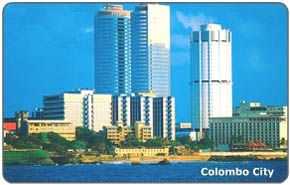
Colombo, the island's largest city, is
noisy, frenetic - and just a little crazy. While the city holds less
obvious interest than many other parts of the island, it's still a
colorful enough place and worth a visit to see what makes Sri Lanka
tick. Colombo is a relatively easy city to find your way around. To the
north is the Fort district, the country's business centre, which has
department stores, book shops, airline offices and is the site of the
Central Bank which the Tamil Tigers blew up in January 1996. There are
also ample sights such as the clock tower, a |
 |
|
former lighthouse, the president's
residence (known by incorrigible traditionalists as Queen's House), and
a cluster of colonial buildings which lend the district an aura of
bygone Empire.
Immediately south of here is Galle
Face Green, a seafront expanse of occasional green graced by cricket
games and kite flyers. and trysting lovers delete. Cinnamon Gardens,
further south, is Colombo's most fashionable neighborhood, with elegant
mansions, tree-lined streets and the city's largest park. East of the
fort is the pungent Pettah bazaar district. Walk through and marvel at
the riot of goods - fruit, vegetables, meat, gems, gold, silver, brass
and tin junk.
Shopping here in Colombo will be at
the most popular ODEL, Paradise Road, Barefoot, House of Fashions, Lanka
Hands and many other places to buy very fashionable clothing as well as
other items according any interest for an affordable price and in very
good quality.
Culture buffs shouldn't miss the
National Museum, which has a good collection of historical works, the
Art Gallery, which focuses on portraiture and temporary exhibits by
local artists, and the city's many mosques and Buddhist and Hindu
temples. After familiarizing yourself with Sri Lankan culture, check out
the island's fauna at the Dehiwala Zoo. The highlight here is an
afternoon elephant show. The closest real beach is at Mt Lavinia, a
faded resort 10km (6.2mi) south of the city. |
|
The remains of the ancient lakeside
city of Polonnaruwa, 75km (46mi) south-east of Anuradhapura, date mostly
from the reign of the Indian Chola dynasty in the 11th and 12th century,
but they cover a more compact site and are in an excellent state of
repair. |